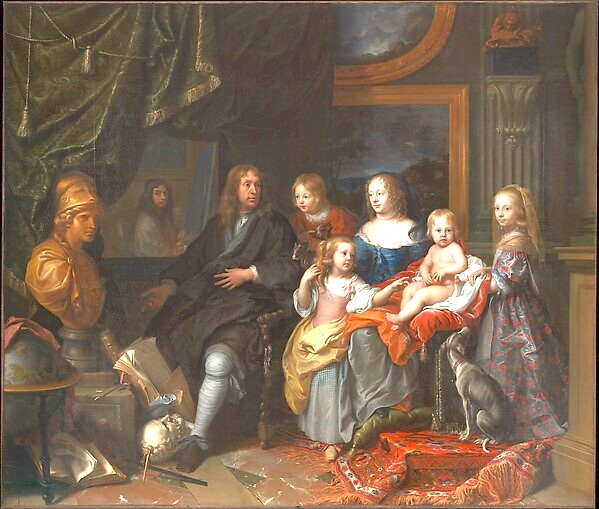
The popular image of Puritan child-rearing is grim: children as miniature adults, beaten into submission, dressed in black, forbidden from play. Like most caricatures, this has a grain of truth wrapped in a mountain of distortion.
The Puritans were strict. They believed in original sin, and therefore believed that children needed discipline to develop godly character. But "discipline" did not mean what we imagine. Cotton Mather, father of fifteen children, kept an elaborate journal of his parenting methods. His approach was far more psychological than physical:
"I make them sensible that it is a folly for them to pretend unto any wit and sense above that of a child. I would never come to give a child a blow, except in case of obstinacy, or something very criminal... I would not use such methods with a child, as to terrify him, or break his spirit."
Mather's preferred method was conversation. He would take each child aside individually, explain what they had done wrong, appeal to their reason, and ask them to reflect. He was, in a real sense, practicing something like modern authoritative parenting --- high expectations combined with high responsiveness.
But the Puritans also practiced something that strikes modern parents as bizarre: "putting out." Around age 10-14, children were often sent to live with another family in the community, where they served as apprentices or household helpers. The host family was responsible for the child's education, moral instruction, and vocational training.
"The selectmen shall take account from time to time of all parents and masters, and of their children, concerning their calling and employment of their children, especially of their ability to read and understand the principles of religion and the capital laws of this country." --- Massachusetts Education Law of 1642
Why send your children away? The Puritans were refreshingly honest about the reason: they believed parents were too lenient with their own children. By placing children in a stricter household, the community ensured that affection did not undermine discipline. It was also, in practice, a form of social mobility --- a poor child apprenticed to a successful craftsman could rise in the world.
Modern parenting oscillates between two poles: helicopter parenting (maximum control, maximum anxiety) and permissive parenting (minimal boundaries, maximum freedom). The Puritans would have diagnosed both as failures of nerve. They believed that children needed both firm boundaries and genuine warmth --- and that the community, not just the nuclear family, was responsible for providing them.