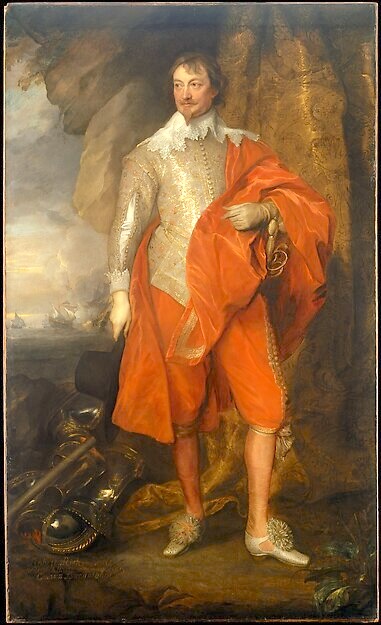
Modern Americans imagine the Puritans as egalitarians --- simple folk in simple clothes, rejecting the hierarchies of the Old World. In reality, the Puritans brought a detailed social hierarchy with them across the Atlantic and enforced it with surprising vigor. But it was a different kind of hierarchy than the one they left behind, and the difference matters.
In Puritan New England, social rank was real and visible. Seating in the meetinghouse was assigned by status --- the wealthiest and most prominent families sat in the best pews. Students at Harvard were listed not alphabetically but by social rank. Sumptuary laws regulated who could wear lace, silver, and silk:
"No person within this jurisdiction shall hereafter make or buy any apparel, either woolen, silk, or linen, with any lace on it, silver, gold, silk, or thread, under the penalty of forfeiture of such clothes." --- Massachusetts General Court, 1634 (applied only to those of "meane condition")
Note the qualifier: "meane condition." The wealthy could wear lace. The restriction applied to those who wore finery above their station. The Puritans did not object to luxury; they objected to pretension.
But --- and this is the crucial distinction --- Puritan hierarchy was based on contribution, not birth. A man could rise from yeoman to magistrate if he demonstrated competence, godliness, and service. Inherited titles meant nothing. What mattered was what John Cotton called "fitness" --- a combination of ability, character, and divine calling.
"God almighty in His most holy and wise providence hath so disposed of the condition of mankind, as in all times some must be rich, some poor; some high and eminent in power and dignity, others mean and in subjection." --- John Winthrop, "A Model of Christian Charity"
This sounds like a defense of inequality, and it is. But Winthrop immediately follows with the punch line: the reason God ordains inequality is so that the rich can practice generosity and the poor can practice patience, and both can learn to depend on each other. Inequality is not a reward; it is a test.
The Puritan social order was hierarchical but permeable, deferential but accountable. A magistrate outranked a farmer, but the magistrate who abused his position would be voted out, censured by the church, or both. The farmer who proved himself capable could become a magistrate. Status was earned, maintained through service, and lost through failure.
Compare this to our contemporary situation: we officially deny that social classes exist while living in a society stratified by wealth, education, and cultural capital more rigidly than most of us admit. The Puritans were at least honest about hierarchy --- and because they named it, they could hold it accountable. We pretend it doesn't exist, which means no one is accountable at all.