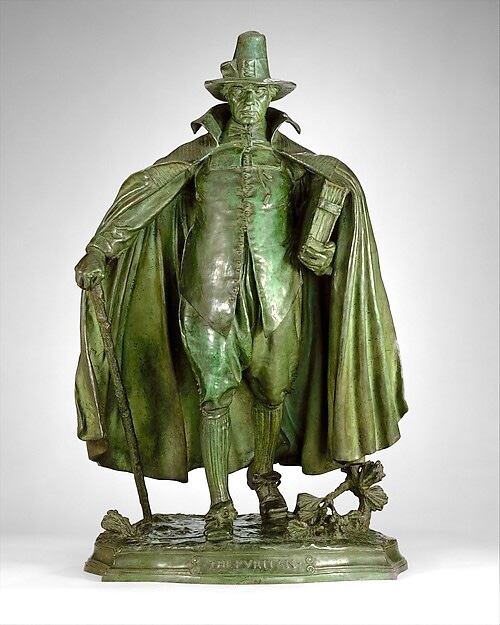
Weber was half right. The Puritans did believe in hard work, thrift, and the dignity of every "calling" --- from merchant to cobbler. But they would have been horrified by the conclusion he drew: that their theology led inevitably to rapacious capitalism. The Puritans embedded economic life in a dense web of moral obligations that modern capitalism has systematically dismantled.
Consider the case of Robert Keayne, a wealthy Boston merchant who was censured by both the church and the General Court in 1639 for charging excessive prices. His crime? Selling nails, gold buttons, and a bridle at what the community judged to be an unreasonable markup. The fine was substantial --- 200 pounds.
"A man may not sell above the current price, i.e., such a price as is usual in the time and place... A man may not ask any more for his commodity than his selling price." --- John Cotton, ruling on the Keayne case
The concept of a "just price" --- pretium justum --- was central to Puritan economics. Profit was acceptable; profiteering was sin. The community had a right to regulate prices, and the church had a duty to discipline greed. This was not optional morality; it was enforceable law.
Cotton Mather, often caricatured as a witch-hunting zealot, wrote extensively about the ethics of business:
"Every Christian should have a calling. But the first and chief end of a calling is to glorify God, not to grow rich. A man must not lie or deceive or oppress in his calling, though he might grow rich by it."
The Puritans distinguished between "diligence" and "covetousness." A man could work sixty hours a week and be godly; he could also work sixty hours a week and be damned. The difference was motive. Were you serving your community, supporting your family, and honoring your calling? Or were you hoarding?
Modern entrepreneurship culture celebrates "disruption" and "moving fast and breaking things." The Puritan entrepreneur moved carefully and built things that lasted --- because he would answer to his neighbors, his church, and his God for every transaction. We have the ambition; we've lost the accountability.